A Hundred Years of Solitude Critical Review the Exuberance of Life
Title: One Hundred Years of Solitude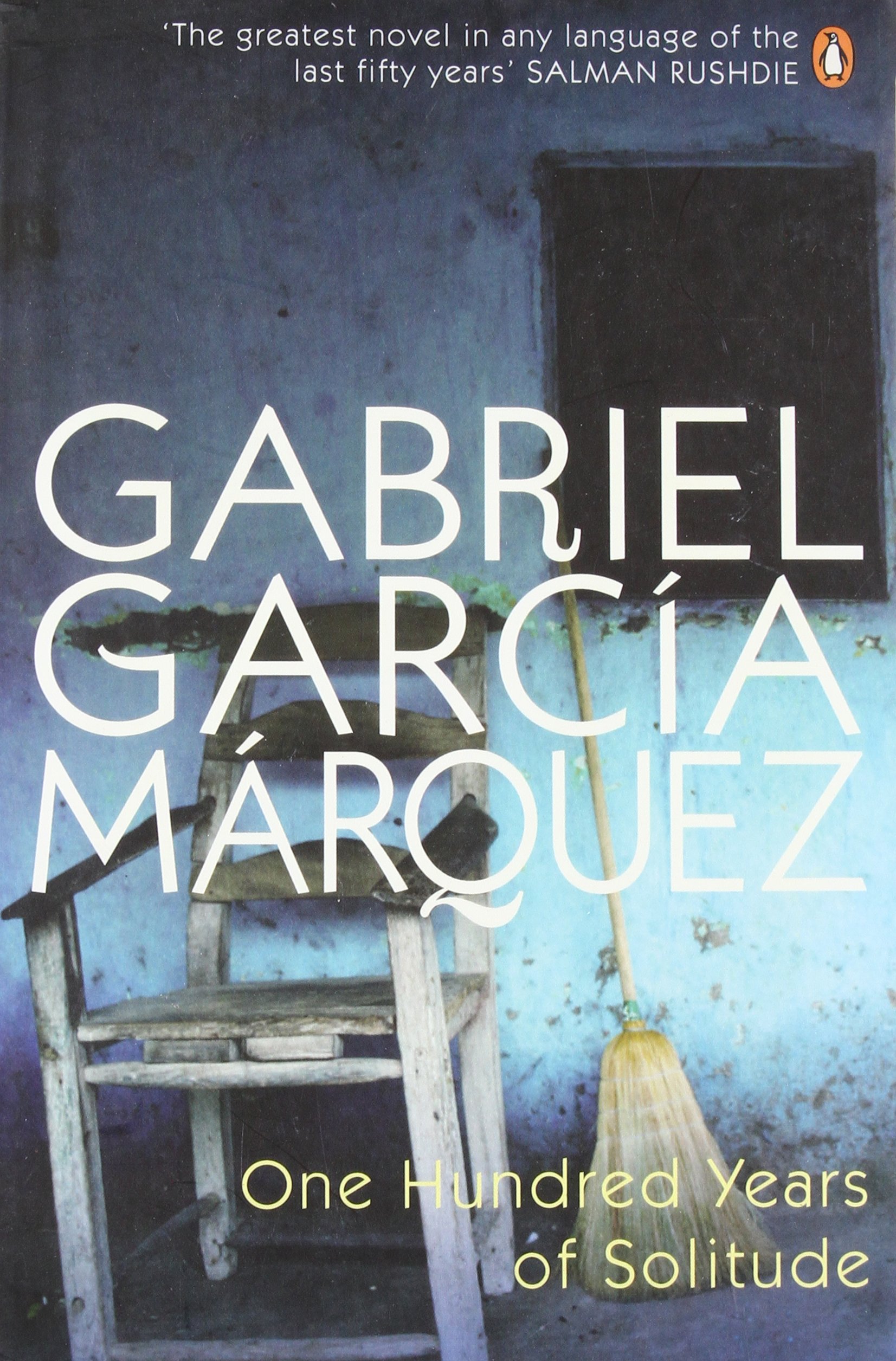
Writer: Gabriel Garcia Marquez
Publisher: Editorial Sudamericana, Harper & Row (US) Jonathan Cape (UK)
Genre: Magical Realism, Historical Fiction, Classic Literature
First Publication: 1967
Language:Originally published in Castilian, Translated in English language by Gregory Rabassa
Major Characters: Úrsula Iguarán, Remedios Moscote, Remedios, la bella, Fernanda del Carpio, Aureliano Buendía, José Arcadio Buendía, Amaranta Buendía, Amaranta Úrsula Buendía, Aureliano Babilonia, José Arcadio Segundo, Aureliano Segundo, Aureliano José
Theme: The Circularity of Time, Solitude, Progress and Civilization, Magic vs. Reality,
Setting: Macondo, Colombia
Narrator:Third-person omniscient
Book Summary: One Hundred Years of Solitude past Gabriel Garcia Marquez
The novel One Hundred Years of Solitude is an absolute primary piece. It manages to capture the various phases and glories of the human history. The book has had a major bear on on immature minds that have taken up literature as a subject. The book is engaging and intense that reminiscences of how history repeats itself with the collapse and creation of a new Macondo within a span of a century.
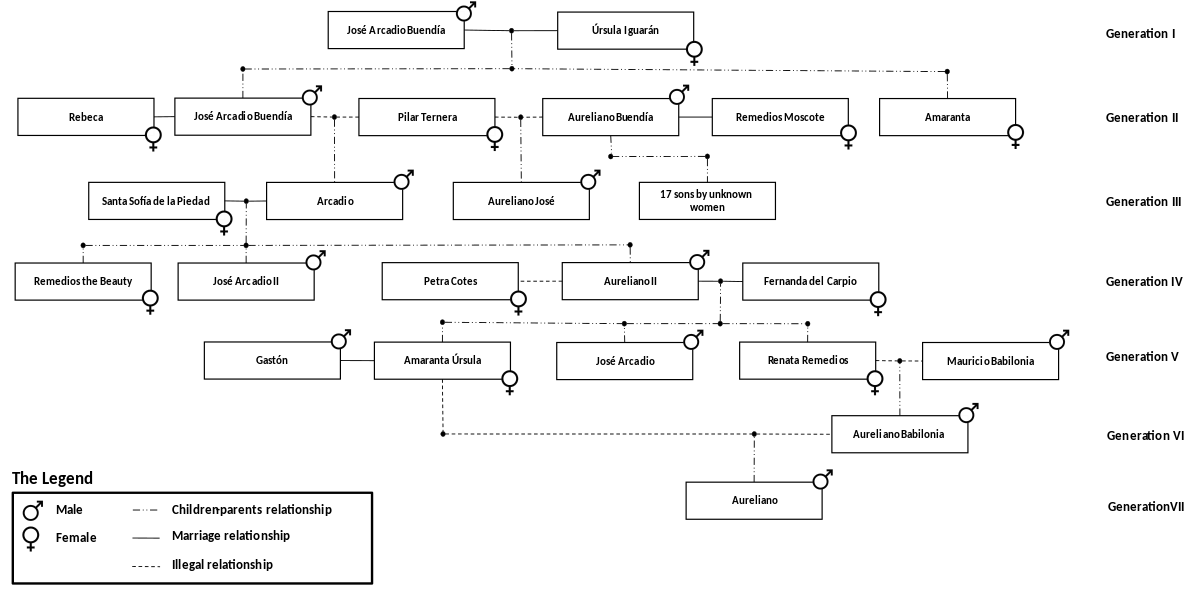
The autumn and rising of the Buendia family is captured in the backdrop of all the strife that Latin American societies take witnessed. In this novel one will come across this family unit name spreading out over seven generations.
The volume was originally written in Spanish but has been translated into thirty seven languages and till engagement has sold over thirty one thousand thousand copies.
The theme of this book is well-nigh 2 families that witness various stages of life over the period of a century. How the protagonist try to come up to grips with their past and how this obsessiveness brings virtually the doom of the family is captured in the novel.
In this volume Macondo portrays the new world of United Sates, which appeared more than like the Promised State to then many at one time. But over the course of history it came to be accepted as another illusion.
The book tin be divers as the fine work of a chief writer, nigh piece of work realism. In his imaginary identify metaphors and behavior have become ordinary facts and life has become most uncertain.
Book Review: Ane Hundred Years of Confinement by Gabriel Garcia Marquez
I Hundred Years of Solitude is considered by many as Marquez'due south masterpiece and that alone says a lot- after all the man won a Nobel Prize. The novel tells the story of Macondo, a fictional town in Latin America, through the history of the Buendia family. The Buendias, generation after generation witnessed the rise, the glory and the fall of the mythical town they called abode. In their joys and their sorrows, in their fears and their passions, one sees all of humankind, in all of her tragicomical glory. And in the history and myths of Macondo, the reader sees all of Latin America.
Jose Arcadio Buendia at age 19 moves on looking for greener pastures (actually, the blue sea) with some of his hometown citizens, who take called to follow him. He settles downward in a spot which feels right and so begins a Southward American (Colombia) community which becomes the town of Macondo, a hamlet of 20 adobe houses. It rises from the banks of a stony river, a "country that no 1 had promised them."
"He really had been through death, but he had returned considering he could not conduct the solitude."
Jose Arcadio had killed a man who insulted Jose because Jose'southward new bride, Ursula, remained a virgin a year after their wedding. She was fearful of producing children with nativity defects since the people of their original abode village had interbred for centuries. It was possible they were closer than the cousins they believed they were. Afterwards Jose kills the human being who insulted his virility, he goes dwelling and impregnates Ursula, subsequently which, they pack up and seek their future somewhere else.
With a pocket-sized number of farm animals, which Ursula uses to grow food, and Jose'southward peasant genius for handyman engineering and a restless marvel for all things alchemical, together they eke out a life for themselves in a brand new village and hold dorsum the jungle – which initially is very difficult. They are almost entirely oblivious of the outside world except for occasional visitors, which include fairground caravan gypsies who bring mystical wonder, willing to make the weeks-long expedition to the piddling isolated town. It volition be decades before roads and railroads let the travel of government soldiers and banana corporations to invade the little community, bringing new claret along with shed blood.
"Wherever they might exist they always remember that the past was a lie, that retention has no render, that every spring gone by could never be recovered, and that the wildest and most tenacious love was an imperceptible truth in the end."
5 generations and a century later, Macondo and its founding family unit is struggling under a weight of decrepit devolution and decay. But oh, gentle reader, what an extraordinary ride the ordinary standard lives of mutual 'elementary' people tin be to explore, peculiarly if ingrown and idiosyncratic, even if unintentionally overblown and blowzy equally only an isolated hothouse can be! By the concluding folio, all of the ordinary perfidies, wonders, delusions and magic of homo loves and passions possible since the beginning of humanity has been revealed to us readers, if not the individuals of this family. The deceptively pedantic pen of a literary genius, the 'wash, rinse, echo' cycle he delightedly exposes, would charm the Greek muses themselves. He makes the false promise of human evolution painfully clear.
History, engineering, war and politics bear on the growing, then shrinking, town, warping and weaving the life of small town people into new paths which, mysteriously, bear witness themselves eventually to be amazingly circular instead of moving forward. Each generation begins afresh, or at least, they each believe themselves to be fresh and original, and even sometimes solely unloved or unlucky, although each feels shackled by existence named later fathers, mothers, aunts and uncles previously born, honorifics passed down like ancient artifacts which the parents, perhaps, hoping unconsciously, that the next generation will achieve more and better things with the family names. Alas! More than names are passed downwardly! Bodies seem all akin in the darkness.
"Death really did non thing to him but life did, and therefore the awareness he felt when they gave their conclusion was not a feeling of fright but of nostalgia."
Nevertheless, the talented Marquez has u.s.a. laughing or feeling shocked while we gawp at the bizarre antics of the Buendia generations – until you recall a similar story virtually your relatives that came from the lips of your own grandmother or stepmother – if she dared tell it.
I admit the book is difficult. V generations of related siblings, and mothers and fathers who all conduct the same names, who have similar adventures over and over, for many hundreds of pages in a stream of unbroken sentences without many paragraphs, dumbo with meaningful, simply not known to the graphic symbol, repetitive activities which over time prove themselves to be ultimately meaningless, and tons of numinous magic, ghosts, clairvoyance, precognition, strangely prescient and revealing dreams – all become similar mist above an incessantly flowing river.
"The secret of a good former age is simply an honorable pact with solitude."
Rivers are notorious for their constant modify of moving h2o sparkling past our dazed eyes, promising united states of america a ride to unknown adventures, soothing and heady us at the same moment, rich with metaphorical and metaphysical meaning for the states creatures of stardust and desire – but it's only water, afterwards all.
This is a story about what it means to be a homo, about the good too as the bad parts. Dear, lust and joy are eternally intertwined with pain, failure and the avarice of expiry. While reading, you will notice yourself laughing out loud equally well as mourning in silence, because Marquez manages to capture perfectly every aspect of the human heart and his characters feel real, even when their stories seem quite over-the- peak. But that is after all what magical realism is well-nigh- making the reader believe that a human tin can be chased by yellow collywobbles wherever he may become, that magic carpets non merely exist, simply are hardly more remarkable than a huge chunk of water ice, and that cute girls sometimes do ascent to heavens before their families' inappreciably surprised eyes.
"Thus they went on living in a reality that was slipping away, momentarily captured by words, just which would escape irremediably when they forgot the values of the written letters."
Gabriel García Márquez is i of the most gifted writers I've come across. His stories come to life in front of the reader. He hardly writes books; he creates a work of art, he paints pictures but instead of brushes he uses words. Sometimes he can be a bit overly dramatic, and that is the reason why I never feel ane hundred percent connected with any of his characters, simply the enjoyment of reading his books never ceases.
One Hundred Years of Solitude is non the tale of the forlorn Colonel Aureliano Buendia, who organised thirty-two uprisings and lost each one of them, every bit well as his center and feelings. Neither is it the story of Ursula Buendia who witnessed her town'due south glory and decay, besides as her family's. It'south not a story about the life of Remedios, for whom men died nor near the struggles of Aureliano Segundo who married the nearly beautiful adult female in the world just to realise that he would never dear anyone more than than his mistress. This is an accounting of the history of the human being race, of all the time that was and that volition be- because ane thing is sure; fourth dimension is moving in a circle.
Source: https://www.bookishelf.com/book-review-one-hundred-years-of-solitude-by-gabriel-garcia-marquez/
0 Response to "A Hundred Years of Solitude Critical Review the Exuberance of Life"
Post a Comment